How to Plan a Family Vacation on a Tight Budget without the Stress
Career & Education
|
March 17, 2026
Family vacations should create happy memories, not financial stress. Many parents assume a good family trip has to be expensive, but in 2026, plenty of families are still having wonderful experiences while keeping costs under control.
This guide shares practical ideas and strategies that real families use to travel on a tight budget while still making the trip feel special and relaxing for everyone.
Family Trips Don't Have to Break the Bank
The biggest shift happens when you focus on experiences rather than luxury. Kids usually care more about time with parents, simple fun, and new adventures than fancy hotels or expensive activities.
By choosing destinations with free or low-cost attractions, cooking some meals yourself, and traveling during off-peak times, many families keep total costs manageable. The goal is a trip that feels joyful and restorative, not like another bill to worry about.
Smart Planning Strategies That Save Money
Here are proven tactics that make a big difference:
Travel in shoulder or off-peak seasons: Spring and fall usually bring lower prices on flights, hotels, and attractions, and you often avoid the worst crowds.
Choose destinations closer to home first: Domestic or nearby regional trips cut flight costs dramatically. Driving can be cheaper than flying for families with kids, especially when you factor in checked bags, airport parking, and airport food.
Book early for big-ticket items: Flights and popular accommodations are often cheapest when booked about 2 to 4 months ahead for short domestic trips; for international travel, booking earlier is usually safer.
Look for family-friendly deals: Many national parks, museums, and resorts offer kids-stay-free or kids-eat-free promotions.
Use points and rewards: Credit card points, hotel loyalty programs, or airline miles can cover flights or rooms. Just make sure the cash price and the points value actually make sense before you redeem.
Pack snacks and a few meals: Bringing reusable water bottles, fruit, and simple snacks reduces daily food expenses. For travel days, this also helps avoid airport and rest-stop markups.
Best Budget Destinations for Families
These spots consistently work well for families on tight budgets in 2026:
1. U.S. National Parks (Yellowstone, Yosemite, Great Smoky Mountains)
National parks are one of the easiest ways to plan a family trip that doesn't revolve around spending. Entry fees are still relatively low (around $20–$35 per vehicle for seven days), and the $80 annual pass quickly pays off if you visit more than one park.
What makes them especially family-friendly is how flexible the days can be. You can mix short, easy hikes with ranger-led programs (many are designed specifically for kids), wildlife spotting, and picnic lunches. In places like Yellowstone, just driving through the park and stopping at viewpoints can fill an entire day without extra cost. Campgrounds and basic lodges also help keep accommodation affordable compared to typical vacation hotspots.
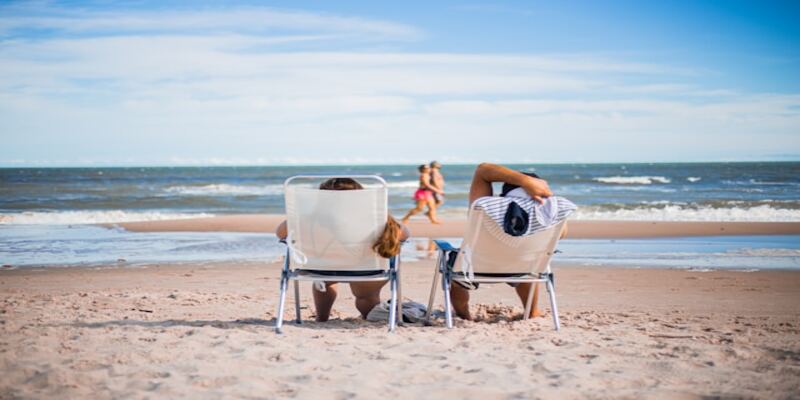
2. Coastal towns in the U.S. or Mexico
Places like Gulf Shores, Outer Banks, or Puerto Escondido offer a balance that works well for families: simple beach days, space to spread out, and fewer “must-pay” activities.
Costs here are predictable, which is part of why they work. A family rental (2–3 bedrooms) can often run about $120–250 per night in shoulder season, especially if booked early. Groceries for a family of four typically land around $80–120 for several days, which is significantly cheaper than eating out every meal.
Beach access is usually free, and that's where most of your time goes anyway. Optional extras—like surf lessons in Puerto Escondido or bike rentals in the Outer Banks—tend to sit around $15–50 per person, so you can pick and choose without committing to expensive full-day tours.
3. Portugal or Spain (smaller towns)
Smaller towns in Portugal and Spain are often where families quietly save money compared to big-name cities.
Accommodation in places like Lagos or Valencia can still be found in the €90–160 per night range for family-friendly apartments, especially outside peak July–August. Meals are also manageable—casual dining often runs €8–15 per adult, with kids eating cheaper or sharing portions.
Daily spending for a family can realistically stay around €120–200 total, including food, local transport, and small activities. Many of the best parts (beaches, playgrounds, walking old towns) are free, which makes it easier to fill full days without constantly paying for attractions.
4. Southeast Asia (Vietnam or Thailand)
If flights are manageable, Vietnam and Thailand are still among the lowest daily-cost destinations for families.
In Vietnam, a family of four can often spend about $50–80 per day on food total, with meals like pho or street dishes costing just a few dollars each . Overall daily costs can land around $45–95 per person for mid-range travel, including hotels and activities —and even lower if you simplify.
Thailand is slightly more expensive but still reasonable. A mid-range daily budget typically falls around $85–200 per person, covering accommodation, meals, and activities .
For families, the key advantage is flexibility:
Spacious hotels or apartments often cost $40–120 per night
Street food or casual meals keep costs low without planning
Activities like beaches, temples, and markets are free or under $10–20
Overall, a full family trip can cost 20–30% less in Vietnam than Thailand, which is why many families prioritize it .
5. Orlando (Beyond Theme Parks)
Orlando only becomes expensive if you treat every day like a theme park day.
Theme park tickets can run $120–180 per person per day, which adds up fast. But many families now limit this to 1–2 days and build the rest of the trip differently.
Vacation rentals are widely available at around $150–300 per night for a full house or condo, often with kitchens and multiple bedrooms. Groceries instead of dining out can cut daily food costs to around $60–100 for a family, compared to $150+ eating out.
Free or low-cost options—resort pools, playgrounds, Disney Springs, nearby parks—help fill the rest of the schedule. With this approach, a week-long trip can land closer to $2,500–4,000 total, rather than typical higher-end Orlando budgets.
6. Croatia's Coast (Smaller Towns)
Coastal areas around Split or Zadar offer a strong middle ground between Western Europe prices and budget travel.
Family apartments typically range from €80–150 per night, often within walking distance of the water. Eating out is moderate—expect €10–20 per adult meal, with bakeries and casual spots offering cheaper options.
Most beach access is free, and that's a big cost advantage compared to resort-heavy destinations. Boat trips or island excursions are available but optional, usually costing €25–60 per person depending on length.
A realistic daily budget for a family can stay around €120–180, especially if you mix eating out with simple meals and avoid peak-season pricing.
Cheap Activities and Free Fun for Kids
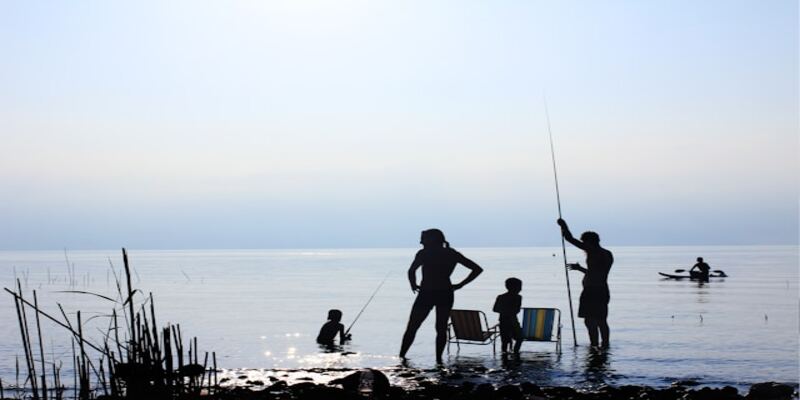
You don't need paid theme parks to keep children happy:
- Beach days with buckets and shovels
- Hiking trails and nature scavenger hunts
- Free museum days or national park junior ranger programs
- Picnics in parks or at viewpoints
- Exploring local markets or playgrounds
- Evening walks or stargazing
Many kids remember the simple moments — building sandcastles, spotting animals, or playing games together — more than any expensive attraction.
What Actually Helped Us Save Money on Family Trips
After a few budget trips, some patterns started to feel obvious—not because they were “tips,” but because you could actually see the difference in your spending.
Having a kitchen made a bigger impact than expected. Even just doing breakfast at the apartment and cooking one simple dinner a day cut food costs down a lot, especially with kids.
Driving instead of flying wasn't always faster, but it changed the tone of the trip. We stopped more, packed our own snacks, and didn't feel like we had to “make up” for expensive flights once we arrived.
Trying to do too much in one day usually backfired. Sticking to one or two main activities kept things calmer—and we weren't constantly paying for extra tickets, transport, or last-minute add-ons.
Letting kids pick one small thing each day (an ice cream stop, a short activity, a playground) turned out to matter more than bigger attractions. It gave them something to look forward to without adding much cost.
Staying longer in one place also helped more than expected. Fewer check-ins, fewer transport days, and more “do nothing” time meant we spent less overall—and enjoyed it more.
One trip that stood out was a week at a U.S. national park. It ended up costing less than what we'd usually spend on a short resort stay, but it didn't feel like a compromise. Most days were just walking, eating simple meals, and being outside—and that was enough.
Just For You

Tips For Traveling On A Tight Budget Successfully
May 19, 2026

7 Best Real-Time Translation Apps For International Travel
April 29, 2026

Discover Unforgettable Europe Unique Travel Destinations Await
April 22, 2026
Traveling Alone These Are the Best Places to Travel Solo in 2026
April 19, 2026

How to Build a Skincare Routine from Scratch: A Beginner's Guide
April 15, 2026

DIY Hair Masks for All Hair Types: Nourish, Strengthen and Shine
March 19, 2026
Recommended For You

How To Plan The Perfect Road Trip Itinerary

How Much Does a One-Week Trip to Japan Cost Complete Budget Breakdown

The Ultimate Chocolate Lover’s Dessert Guide

Flavorful Tea Cocktail Ideas With Simple And Easy Instructions

The Best Digital Nomad Jobs That Pay Well Enough to Actually Travel